
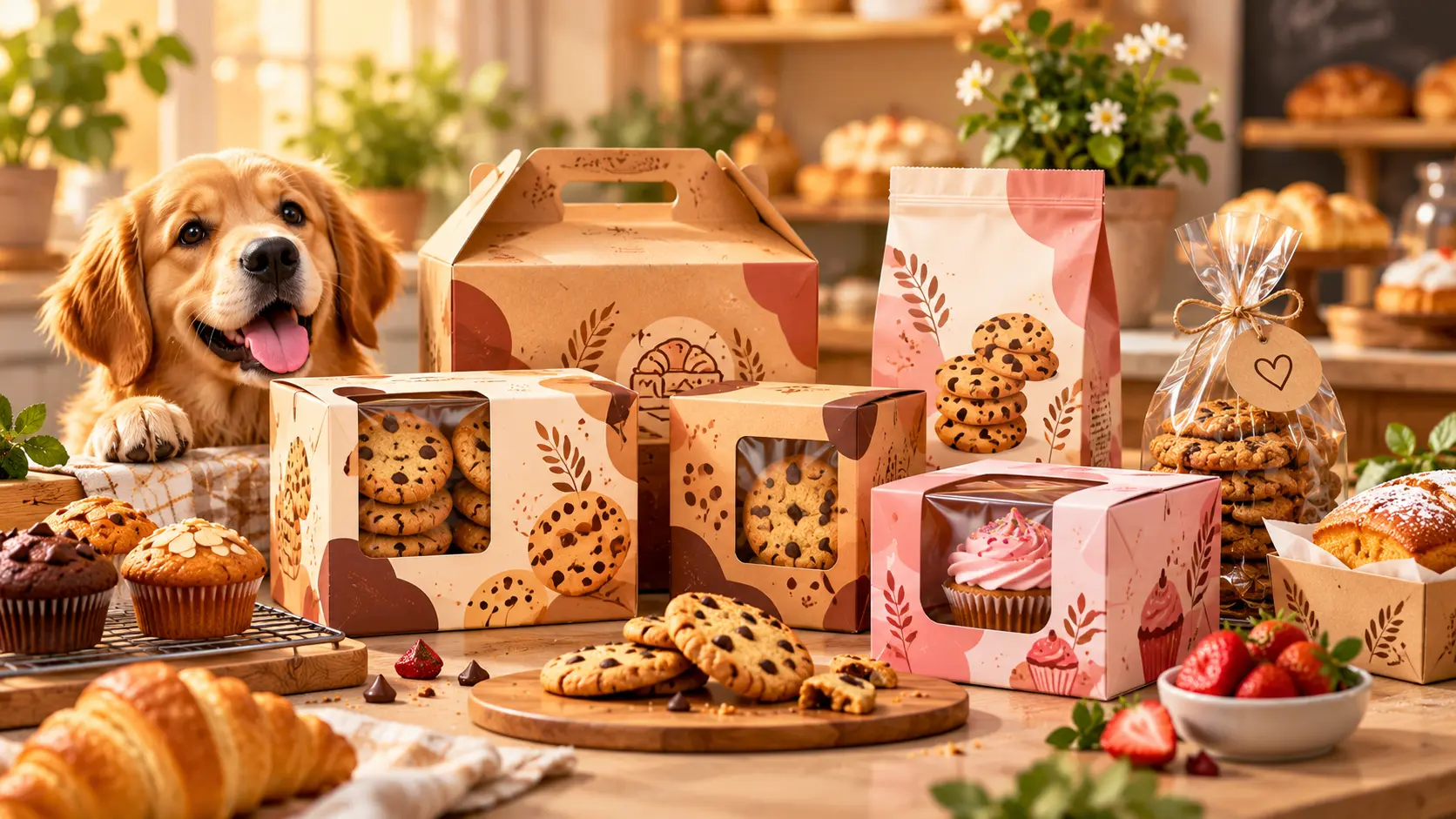
India’s bakery category has changed dramatically. Alongside the neighbourhood bakery, there are now premium cookie brands, healthy millet and oat biscuits, artisanal rusks, cake studios and cloud bakeries selling through quick-commerce apps. In this crowded space, bakery packaging design does more than hold the product. It protects delicate items, keeps them fresh, signals quality and turns a one-time purchase into a repeat order or a gift. Getting both the look and the practicalities right is the core brief for a professional packaging design company.
This guide covers how to position a bakery brand through packaging, which formats suit which products, what freshness and protection mean for design, and how to build packaging that works in stores, on delivery apps and as gifts.
Know What Your Bakery Brand Stands For
Bakery buyers make quick, emotional choices. Your packaging should immediately tell them which kind of bakery you are:
- Classic and nostalgic: Warm colours, traditional typography and a sense of heritage, suited to rusks, khari, nankhatai and tea-time biscuits.
- Premium and artisanal: Minimal layouts, kraft or textured boards, foil accents and product windows, suited to cookies, brownies and gifting.
- Healthy and better-for-you: Clean, fresh colours, ingredient callouts such as millet, oats, jaggery or no maida, and clear nutrition information.
- Fun and indulgent: Bold colours, playful illustrations and strong flavour imagery, suited to kids’ snacks and impulse purchases.
Bakery Packaging Design Formats That Work
| Product | Common formats | Design priorities |
|---|---|---|
| Cookies and biscuits | Cartons with trays, tins, stand-up pouches, jars | Breakage protection, resealability, flavour visibility |
| Rusks and toast | Pouches, flow wraps, cartons | Large, economical packs with clear brand blocking |
| Cakes and pastries | Cake boxes with windows, clamshells, cake bases | Structural strength, easy carrying, product visibility |
| Breads and buns | Printed poly bags, paper bags | Freshness, best-before clarity, quick variant identification |
| Gift hampers | Rigid boxes, tins, sleeves | Unboxing experience, premium finishes, reusable containers |
Freshness and Protection Come First
In bakery packaging design, function comes before decoration. Bakery products are fragile and lose quality quickly when exposed to air and moisture. Good design works with the structure, not against it.
- Barrier materials: Cookies and rusks go soft fast. Choose laminates or inner liners that keep moisture out for the full shelf life.
- Resealable closures: Zip pouches and tins encourage repeat use and keep the last cookie as good as the first.
- Inner trays: Trays and dividers reduce breakage, especially for premium cookies sold online.
- Grease resistance: Butter-rich products can stain paper and board. Use grease-resistant coatings or liners where needed.
- Windows with care: A window builds appetite appeal but reduces barrier area. Size and place it thoughtfully.
Designing the Front of Pack
Lead with appetite appeal
Bakery is bought with the eyes. Use high-quality photography or illustrations that show texture, such as a cookie broken in half to reveal chocolate chips, ideally captured in one food product photography shoot that covers both pack and listing images.
Make the flavour obvious
Flavour should be the second most prominent element after the brand. Colour coding by flavour helps buyers recognise their favourite and makes the range look organised.
Highlight what makes you different
Pick one or two differentiators such as “made with butter”, “no maida”, “eggless” or “baked fresh daily” and make them prominent. Only use claims you can substantiate.
Make veg status clear
Many Indian buyers check the veg or non-veg symbol first, especially for cakes and cookies that may contain egg. Make sure the correct symbol is clearly visible, and consider calling out “eggless” prominently if it applies.
Mandatory Information and Dates
Bakery products are packaged food, so labels need the declarations required under FSSAI labelling regulations and Legal Metrology rules, such as ingredients, nutrition information, allergens, veg or non-veg symbol, net quantity, MRP, batch details, dates, FSSAI licence number and manufacturer details. For short shelf-life products like breads and cakes, the best-before or use-by date must be especially easy to find.
Plan a fixed, readable area for these details in every design, following the same product label design rules used across packaged foods. Requirements change, so confirm the latest rules with a food regulatory consultant before printing.
Designing for Quick Commerce and Delivery
A large share of bakery sales now happens through quick-commerce and food delivery apps, which changes how packaging should be designed.
- Make sure the brand and flavour are readable in a small app thumbnail.
- Use high-contrast colours that stand out on white listing backgrounds.
- Design packs that survive bags and bikes, with secure closures and inner protection.
- Add QR codes or social handles so delivery customers can reorder directly or follow the brand.
Turning Packaging Into a Gifting Opportunity
Cookies, dry cakes and assorted biscuits are popular for festivals, weddings and corporate gifting. Premium tins and rigid boxes that buyers keep and reuse extend your brand’s presence in their home. Limited-edition sleeves for Diwali, Christmas or Raksha Bandhan let you refresh the look without redesigning the entire range, much as mithai brands do with seasonal Diwali sweet box design.
Building a Bakery Range System
Good bakery packaging design is a system, not a single pack. As bakery brands grow from a few products to dozens, a packaging system keeps everything recognisable and controls costs:
- Fixed positions for logo, flavour name, claims and veg symbol.
- A flavour colour palette that can expand.
- Consistent photography and illustration style.
- Shared dielines and structures across sizes where possible.
A system like this is normally built in the early stages of the packaging design process, before any individual pack goes to print.
Common Bakery Packaging Design Mistakes
- Choosing beautiful packaging that does not keep products fresh.
- No inner protection, leading to broken cookies and complaints.
- Flavours that look too similar on shelf.
- Hard-to-find best-before dates on short shelf-life items.
- Grease stains on uncoated paper packs.
- Designs that only work on a shelf and disappear in app thumbnails.
Frequently Asked Questions
What is the best packaging for cookies?
For retail, cartons with inner trays, resealable pouches and tins are popular because they protect cookies from breakage and moisture. Premium and gifting ranges often use tins or rigid boxes.
Should bakery packaging have a window?
Windows build appetite appeal and trust, especially for cakes and premium cookies. However, they reduce barrier protection, so they work best for products with short shelf lives or with a protective inner layer.
How can a small bakery make its packaging look premium?
A consistent logo and colour system, good photography, quality board or kraft materials and one premium finish such as foil or embossing can lift perceived value without a large budget.
How much does bakery packaging design cost?
Costs depend on the number of SKUs, structural work and finishes, and packaging design pricing in India scales with each of these.
Conclusion
Bakery packaging design must make products look irresistible while keeping them fresh, intact and easy to buy across shelves, apps and gifting occasions. Define your positioning, choose formats that protect the product, make flavours and veg status obvious and build a system that grows with your range.
This article is general information, not regulatory advice. Food labelling rules change, so confirm current requirements with FSSAI or a qualified professional. Last reviewed: October 2026.
